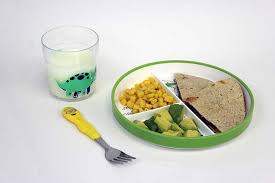
Raising healthy children goes far beyond making sure they grow taller or have enough energy to play. What children eat every day plays a major role in their physical growth, mental development, and long-term well-being. One of the simplest yet most effective approaches to ensure kids get proper nutrition is teaching them the concept of a Balanced Plate for Kids. This model helps children and parents alike understand how to portion meals with the right mix of nutrients, laying the foundation for lifelong healthy eating habits.
Why Balance Matters in Childhood Nutrition
Children are constantly growing, which means their nutritional needs are higher compared to adults. They need energy for play, concentration for learning, and nutrients to build strong bones, muscles, and immunity. A diet that leans too heavily on one type of food—like carbohydrates or sugary snacks—may lead to deficiencies, poor focus, or even long-term health issues such as obesity or diabetes.
That’s why balance is so essential. It’s not about restricting certain foods but making sure each meal contains a variety of food groups in the right proportions. A colorful, balanced plate ensures that kids receive vitamins, minerals, proteins, and fiber without excess sugar, salt, or unhealthy fats.
What Makes Up a Balanced Plate?
The Balanced Plate for Kids concept is designed to be simple, visual, and easy to follow. Here’s what an ideal plate should look like:
- Half Fruits and Vegetables
- Brightly colored produce adds essential vitamins, minerals, and antioxidants.
- Examples: apple slices, baby carrots, cherry tomatoes, or steamed broccoli.
- Aim for variety—kids are more likely to try new foods if they’re presented in fun shapes or with dips like hummus or yogurt.
- One-Quarter Whole Grains
- Grains give children the energy they need to learn and play.
- Choose whole-grain bread, brown rice, oats, or quinoa instead of refined options.
- Whole grains also provide fiber, which supports digestion and keeps kids feeling full longer.
- One-Quarter Protein
- Protein helps with growth and repairing tissues.
- Sources include lean meats, poultry, fish, beans, lentils, eggs, tofu, or nuts (if safe for your child’s age).
- Rotate options to keep meals interesting and nutrient-rich.
- A Side of Dairy or Dairy Alternatives
- Milk, yogurt, or cheese provides calcium and vitamin D, essential for strong bones.
- For children who are lactose intolerant or vegan, fortified plant-based alternatives like soy or almond milk work well.
- Healthy Fats in Moderation
- Avocados, olive oil, nut butters, and seeds give kids brain-boosting omega-3s and other healthy fats.
- Limit fried or heavily processed foods high in trans fats.
Practical Tips for Parents
- Make meals fun and interactive. Encourage kids to help with grocery shopping or meal prep. When they’re involved, they’re more likely to try new foods.
- Use visuals. A divided plate or even a drawing can help children understand portions.
- Keep snacks balanced. Instead of chips or candy, try apple slices with peanut butter, yogurt with fruit, or whole-grain crackers with cheese.
- Be a role model. Kids copy what they see. If you eat a variety of healthy foods, they’ll be inspired to do the same.
- Avoid labeling foods as “good” or “bad.” Instead, teach kids that some foods help their bodies grow strong while others should be “sometimes treats.”
Long-Term Benefits of Balance
Teaching children about the Balanced Plate for Kids isn’t just about today’s lunchbox—it’s about their future. A balanced diet reduces the risk of chronic diseases, boosts academic performance, improves mood, and supports healthy weight management. More importantly, it instills confidence in children to make healthier choices as they grow older.
When kids learn that food is fuel for their bodies and brains, they begin to understand the connection between what they eat and how they feel. This awareness is a lifelong gift.
Final Thoughts
Healthy eating doesn’t need to be complicated or stressful. By focusing on a Balanced Plate for Kids, parents can simplify meal planning, ensure proper nutrition, and create positive food experiences for their children. With every colorful, well-proportioned plate, you’re not only nourishing their bodies but also teaching them habits that will last a lifetime.
 Site Title
Leave a comment